By Amal Zadok
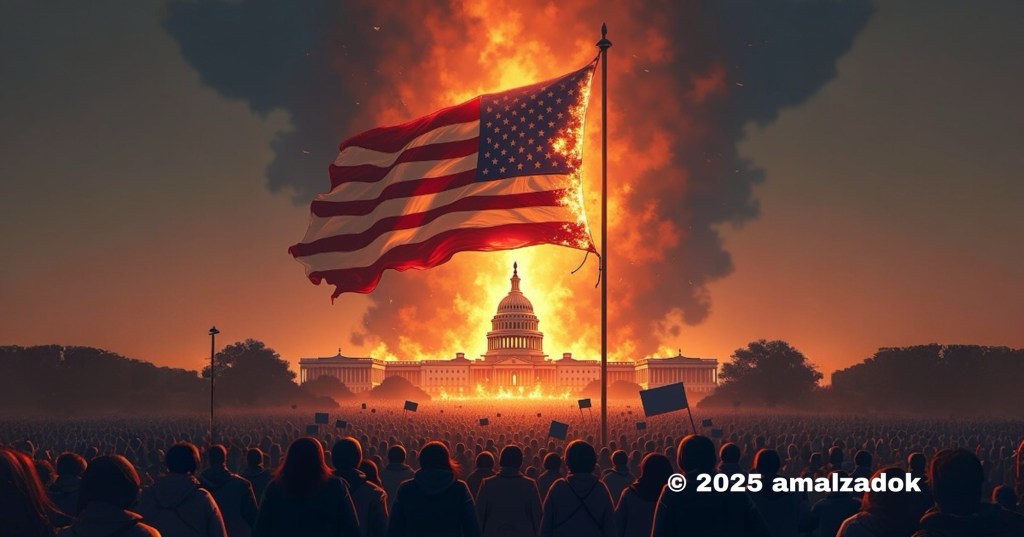
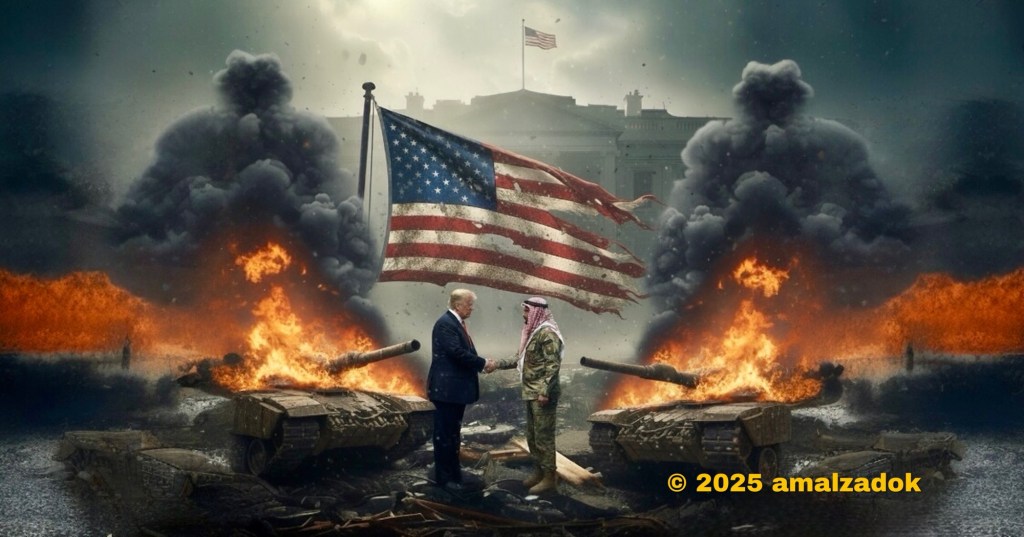
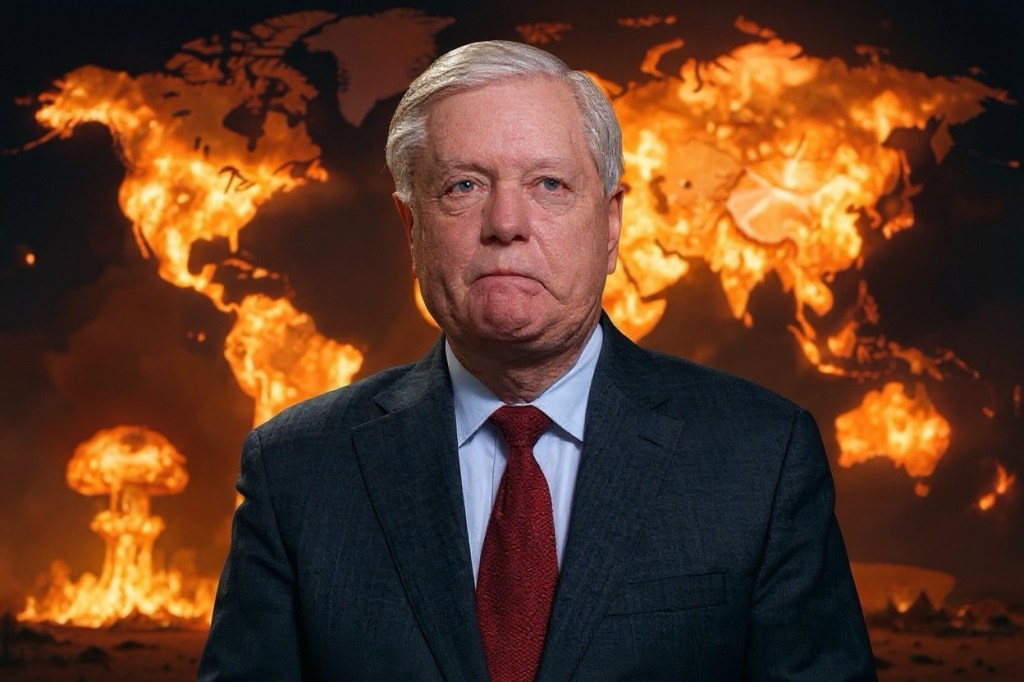
The president is not winning a war; he is presiding over a moral, strategic, and human disaster of his own making. He lies to Americans about “victory” while Iranian children are buried in shattered classrooms, US bases burn under Iranian missiles, and civilian infrastructure is systematically pulverised in what the law calls war crimes. This is not leadership; it is madness wearing a flag pin.
The massacre of Iranian schoolgirls – and Trump’s obscene lie
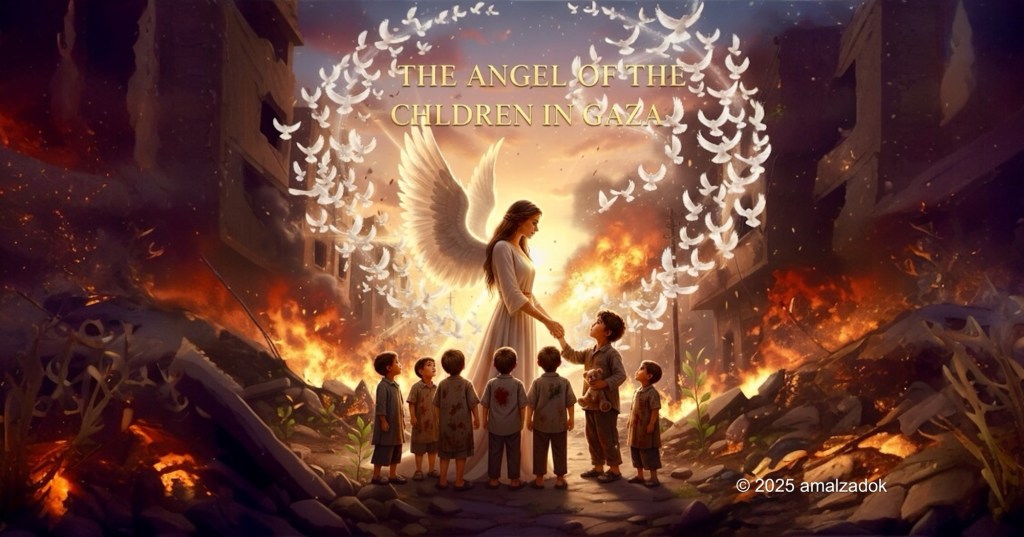
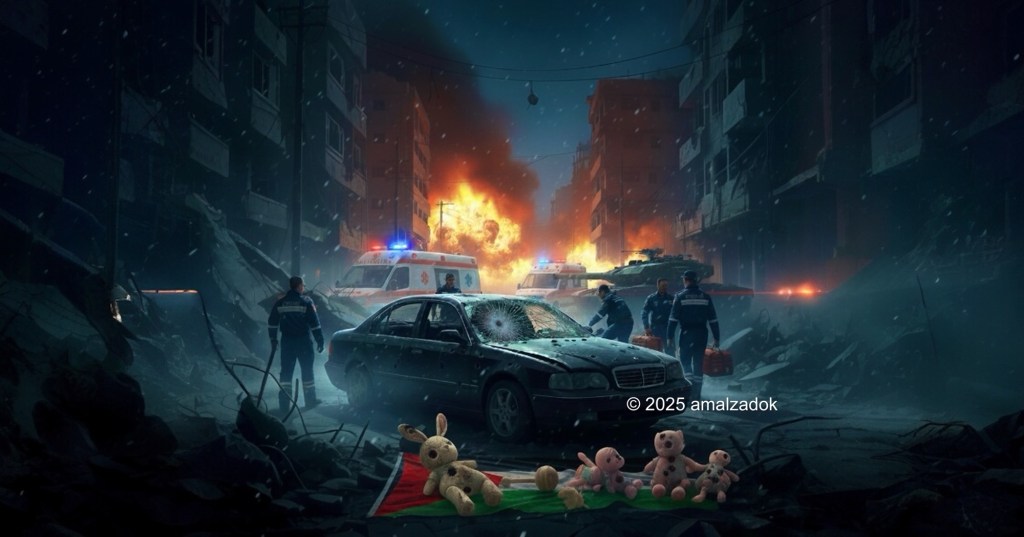
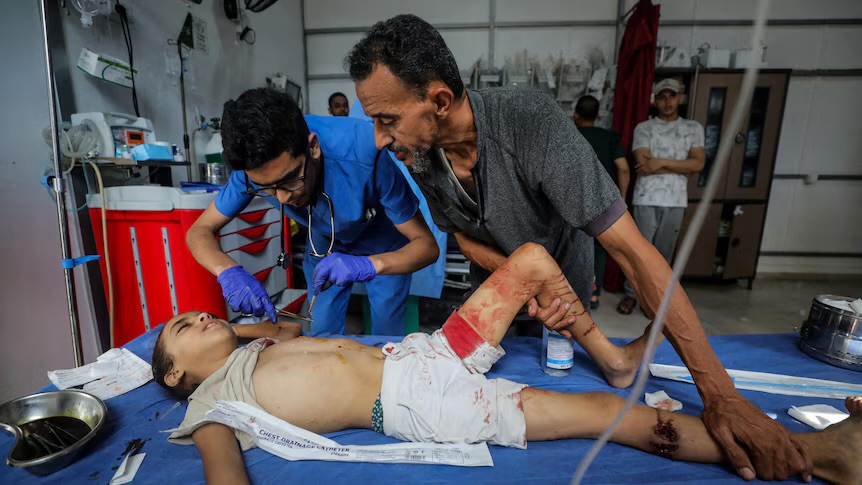
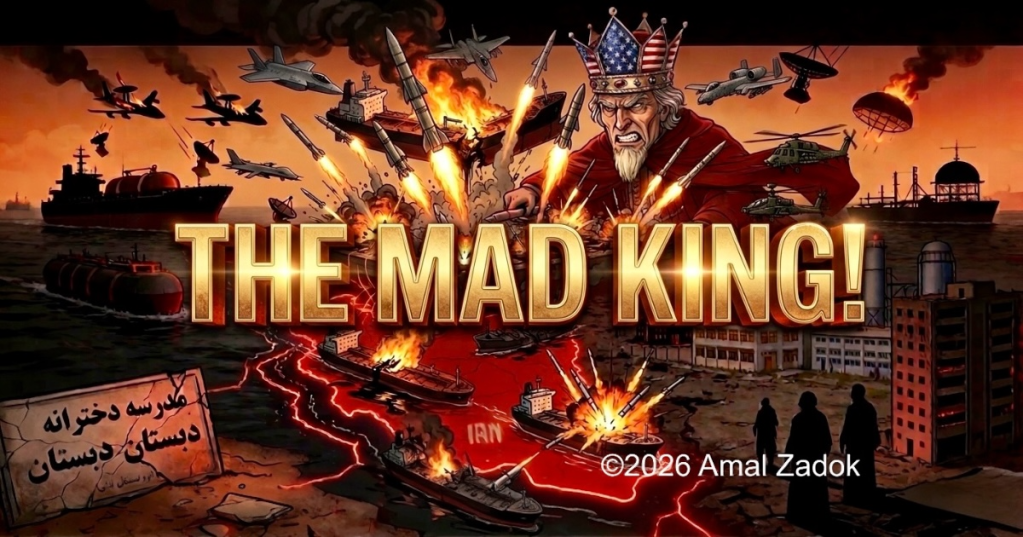
On the very first day of the war, a girls’ elementary school in Minab, in Iran’s Hormozgan province, was torn apart by precision missile strikes. Witnesses and satellite analysis confirm the building was hit multiple times in a “triple tap,” striking again as children, teachers, and frantic parents tried to rescue survivors. At least around 150–175 people were killed—more than a hundred of them children.
UN experts, human rights organisations, and multiple media investigations point in the same direction: a US Tomahawk missile, launched as part of the opening US‑Israeli barrage, struck the school or its immediate vicinity. A US military investigation has already concluded that an American Tomahawk hit the area because of a “targeting mistake,” with the school located next to facilities used by Iran’s Revolutionary Guard navy. In other words, the United States fired, the United States missed, and Iranian children paid with their lives.
And what did the so‑called leader of the free world do when asked whether the US might be responsible? He blamed Iran. He looked the world in the eye and suggested that “in his opinion,” based on what he’d seen, it was Iran that killed its own schoolgirls with inaccurate munitions, and then added the imbecilic excuse that “Iran has Tomahawks because we sell them to many countries in the world.” This is beyond cowardice. It is an obscene inversion of reality: a man whose military fired the weapon, hiding behind a smear that the victims murdered themselves and a ludicrous claim that somehow Iran borrowed American cruise missiles from a global flea market.
A serious president would have expressed grief, pledged a transparent investigation, and, if responsible, publicly accepted blame and offered reparations. Instead, Trump chose the path of the thug: deny, deflect, and accuse the dead of killing themselves. It is the political mentality of an arsonist blaming the burned family for “playing with matches.”
Bases burning, radars shattered – the war Trump swears he’s winning
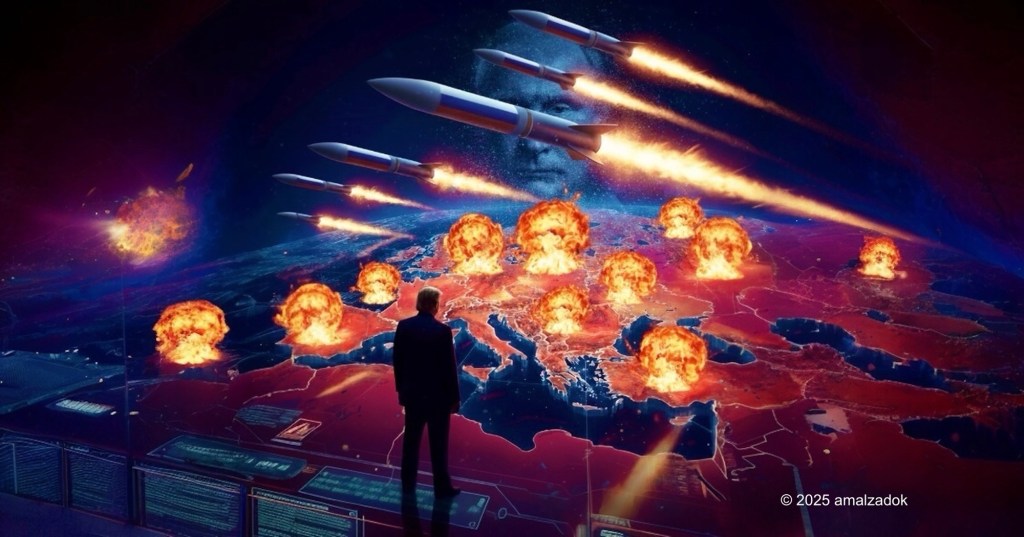
While Trump drones on about annihilated Iranian radar and “unstoppable” US forces, Iran has been systematically dismantling some of America’s most sophisticated military assets in the region.
Iranian missiles and drones have struck US missile‑defence and early‑warning systems from Jordan to Qatar to the UAE. Satellite imagery shows the radar system for a US THAAD battery in Jordan apparently destroyed in the conflict’s first days. Additional strikes have hit buildings housing similar radar systems in the UAE. In Qatar, an AN/FPS‑132 early‑warning radar—the backbone of US missile tracking in the Gulf and valued at over a billion dollars—was hit by Iranian missiles. Open‑source analysis indicates Iranian attacks have destroyed or badly damaged satellite communications radomes at the US naval base in Bahrain as well.
At Prince Sultan Air Base in Saudi Arabia, a coordinated Iranian strike using ballistic missiles and one‑way attack drones destroyed at least one E‑3 Sentry AWACS, the iconic radar plane whose rotating dome symbolises American airborne superiority. Pictures show the aircraft’s tail sheared off and its radar disc lying shattered on the tarmac. This is not some marginal loss; it is a direct hit on America’s eyes and ears in a region Trump claimed was completely under US control.
Reports estimate that in just the first days of this war the US lost nearly 2 billion dollars’ worth of high‑end equipment, mostly radars and communications systems—precisely the tools that are supposed to make US air power invulnerable. US aircraft, drones, and tankers have been shot down, damaged, or forced into emergency landings, even as the Pentagon dribbles out casualty numbers and hides behind “operational security.”
The skies tell the same story of shattered hubris. An F‑15 Eagle was shot down over southwestern Iran; its pilot was rescued, but the weapons systems officer is missing, likely now a prisoner of war in the very country Trump insists is helpless.
An A‑10 Thunderbolt—the Warthog, built to loiter and kill tanks—was brought down and plunged into the Persian Gulf, its pilot reportedly recovered only after a frantic search‑and‑rescue effort. Two HH‑60 Pave Hawk combat rescue helicopters, sent in to save downed aircrew, were themselves hit: one crash‑landed across the border in Iraq with its crew barely extracted.
A KC‑135 Stratotanker was forced into an emergency squawk and landing near Tel Aviv, while an F‑16 “Wild Weasel,” tasked with hunting air defences that were supposedly “100% annihilated,” declared an emergency over Saudi airspace and then simply disappeared from public radar.
This is what it looks like when a country that allegedly cannot track or shoot down US aircraft, with radars Trump boasts have been totally obliterated, proceeds to hit fighters, gunships, tankers, and helicopters in multiple engagements across an entire theatre.
And yet Trump appears on television, in a sedated monotone, insisting that Iranian air defence has been “100% annihilated” and that the war is effectively over. The facts on the ground—and in the sky—scream the opposite: Iran has drawn blood, degraded US capabilities, and shown that American bases and hardware are not untouchable trophies but vulnerable targets.
Hormuz: the strangled artery of the world economy
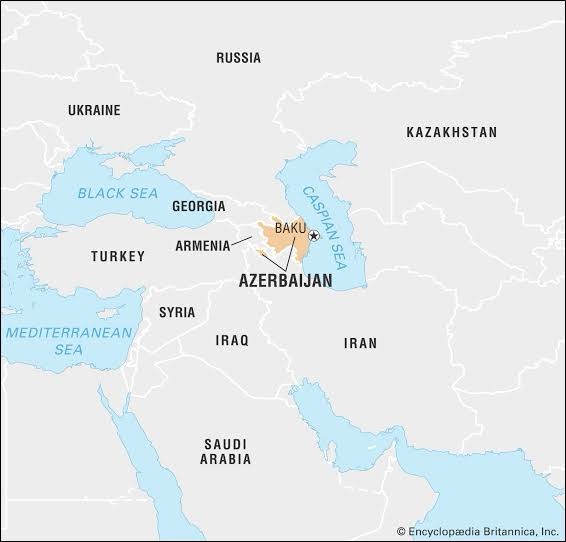
At the centre of this catastrophe lies a narrow waterway: the Strait of Hormuz. On any map it looks like a small kink in the coastline; in reality it is one of the main arteries of the global economy. To constrict it is to put a hand around the throat of modern civilisation.
Trump’s war has given Iran every incentive—and every justification—to weaponise that chokepoint. In response to US and Israeli attacks on its territory, Iran has moved to exert tight control over the strait, deciding which ships pass and which turn back, and demonstrating that it can halt traffic whenever it chooses. It is not only oil that flows through this maritime artery, but liquefied natural gas and key components for fertiliser production. Every tanker delayed, every cargo diverted, sends ripples through energy markets, agriculture, transport, and food prices thousands of kilometres away.
By turning Iran into a target and driving it to the wall, the mad king is effectively gambling with the basic inputs of global life: fuel, heat, electricity, and food. When crude oil and gas exports from the Gulf are disrupted, Europe’s and Asia’s energy bills spike, developing countries are priced out of the market, and entire economies are shoved toward recession.
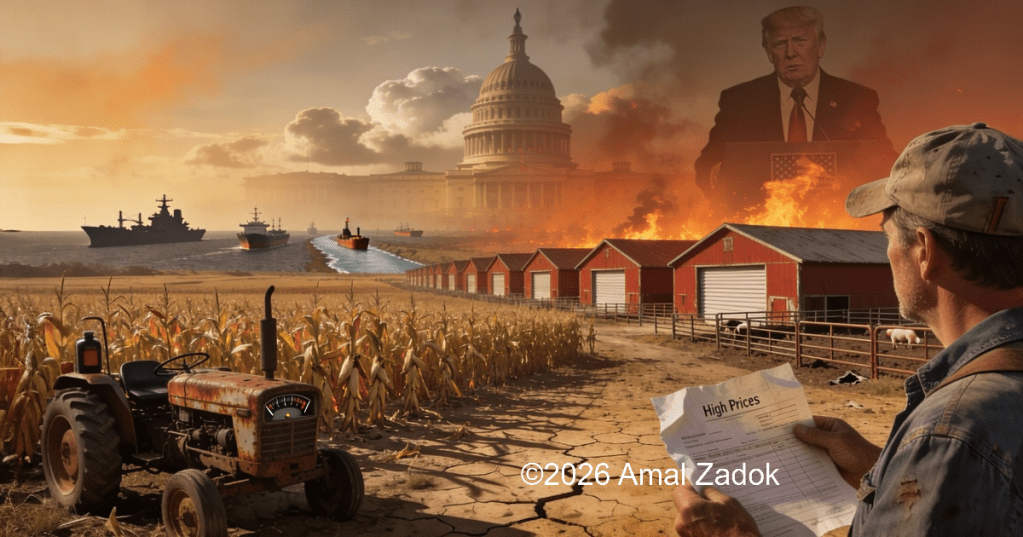
When fertiliser supplies are squeezed—because gas feedstock is more expensive, shipping routes are insecure, or export volumes from key producers collapse—the effect is delayed but devastating. Farmers pull back on planting, yields drop, and the cost of grain and animal feed surges.
The planting season has already begun in many parts of the world, including the United States. Fields are being sown right now under the shadow of war, with farmers unsure whether they will have enough fertiliser at a price that allows them to break even.
That uncertainty translates into fewer inputs on the land, weaker harvests, and tighter supplies months from now. It will not just be some distant “Global South” that feels the pain; food inflation, shortages of specific staples, and pressure on livestock herds will hit American consumers as well. Less fertiliser means less feed, less feed means thinner or culled herds, and that in turn means more expensive meat and dairy for ordinary families.
This is how a “regional” war metastasises into a systemic crisis.
What Trump sells as a clean, surgical punishment of Iran is in reality a shockwave travelling through the circulatory system of the world economy. A sustained Hormuz crisis does not simply dent GDP figures; it threatens to push fragile states into outright collapse, to trigger food riots, to topple governments that cannot shield their populations from hunger and blackouts. In weaponising the strait and provoking a counter‑weaponisation by Iran, the mad king is not just bombing a country; he is playing Russian roulette with the stability of entire continents.
Deliberate terror: civilian infrastructure as a target
The United States and Israel insist they are only hitting “military” or “dual‑use” targets in Iran. The cratered landscape tells another story. Since February 28, thousands of airstrikes have slammed into Iranian territory, repeatedly destroying clearly civilian sites—schools, homes, apartment blocks, industrial plants, water facilities, and power infrastructure.
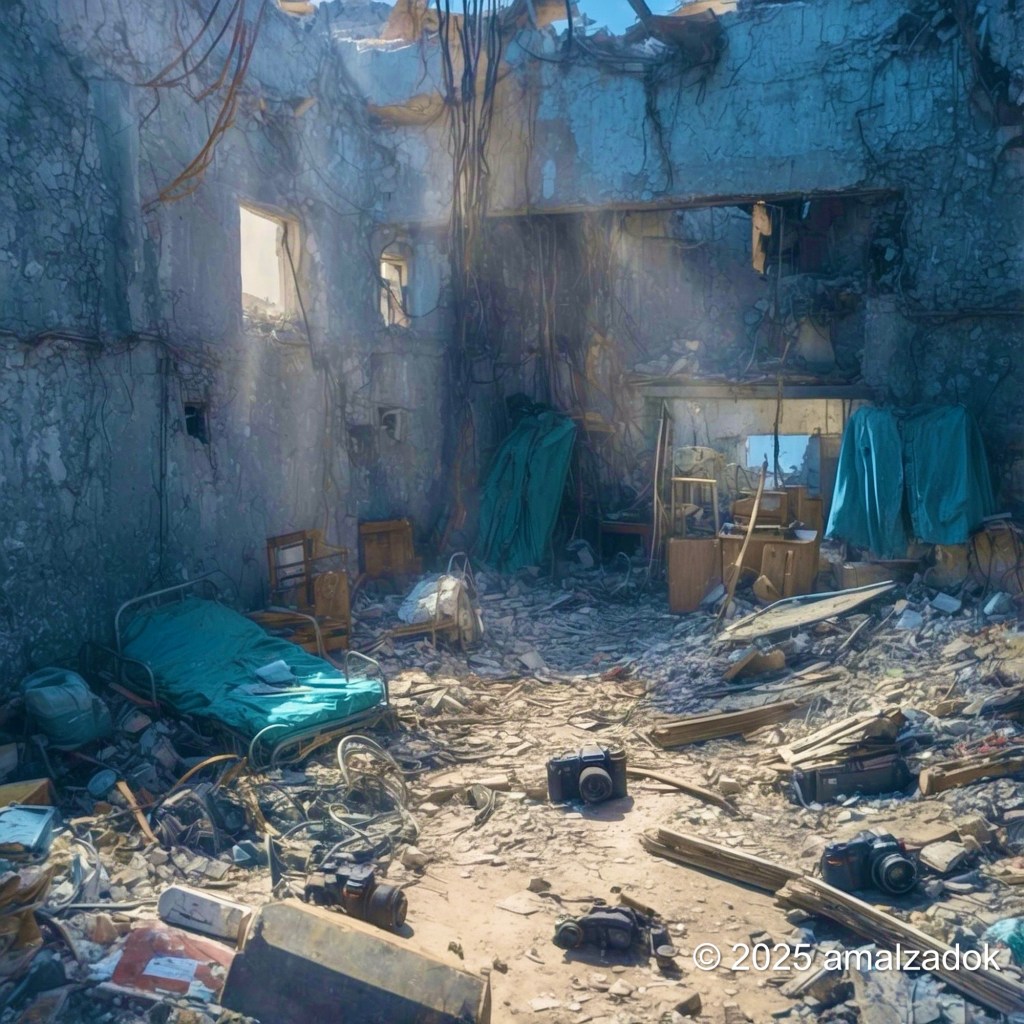
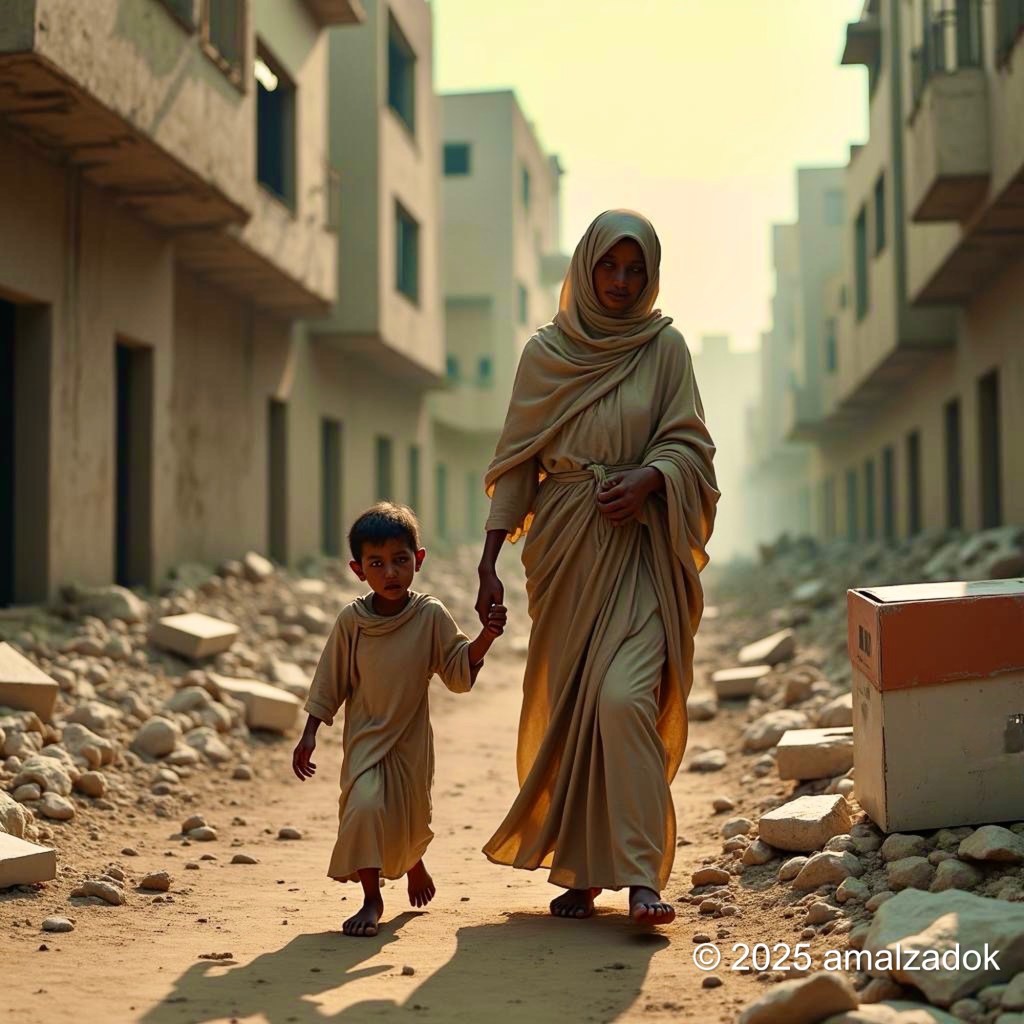
According to Iranian officials and humanitarian organisations, more than 490,000 homes have been damaged or destroyed by US‑Israeli strikes, with about half of them in Tehran alone. Hospitals, universities, and residential neighbourhoods have been hit. The Minab school massacre was not an isolated aberration; it was part of a broader pattern of bombing civilian life into submission.
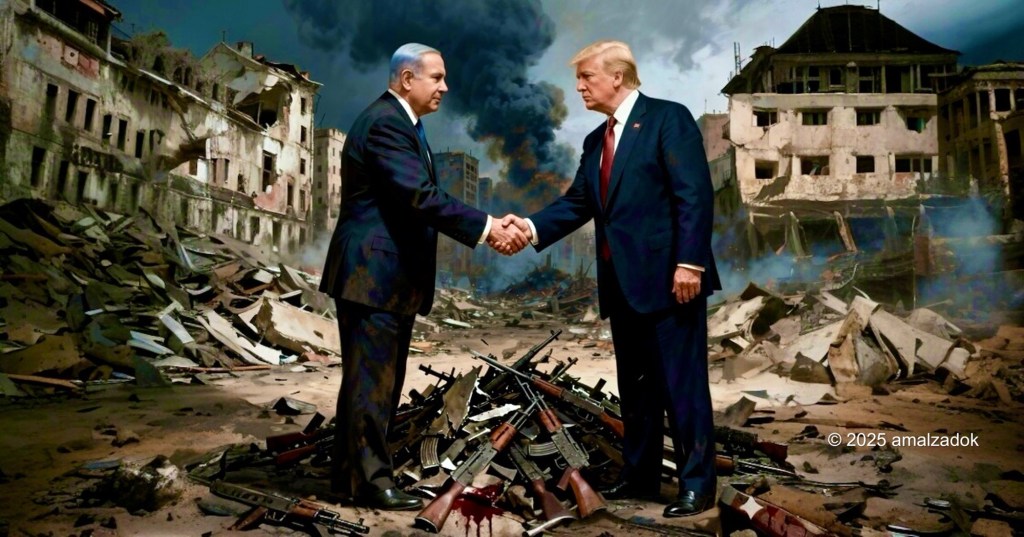
Under international humanitarian law, repeatedly bombing civilian objects with no clear, direct, and proportionate military necessity is not “hard power.” It is a war crime. The mad king is giving Iran the same treatment he learned from the genocidal regime of Netanyahu in Gaza, systematically smashing the foundations of a modern society. When you triple‑tap a girls’ school, when you deliberately hit desalination plants, hospitals, schools, police stations and other vital infrastructure that keep a nation functional, you are not “sending a message”; you are trying to drive an entire country back to the Stone Age.
Trump owns this. He green‑lit the strikes, sells them as precision blows against “terrorism,” and then hides behind euphemisms when the dead are counted and found to be overwhelmingly children, teachers, patients, and workers.
The mad king’s delusions versus hard reality
Against this background of burned schools, shattered radars, darkened cities and a throttled strait, Trump continues to spin a story in which the United States is invincible, Iran is on the verge of surrender, and the world should be grateful. He babbles about Iranian plans for impossible super‑weapons “like nobody’s ever seen before,” boasts that US strikes have taken out everything that matters, and declares that Iran’s nuclear and missile programs are finished.
Yet Iran remains capable of firing salvos of missiles, closing or tightly controlling the Strait of Hormuz, and picking off critical US and allied assets across the region. Its leadership has paid a heavy price, but it has not collapsed. Instead, the war is accelerating trends that erode American power: the move away from the dollar in energy trade, the search for alternative security partners, and the perception—now hardening into consensus—that the US is willing to obliterate civilians to maintain hegemony.
Trump once mocked a rival as “low energy.” Now he shuffles through scripted speeches in a flat, almost narcotised tone, unable even to keep basic facts straight about who bombed whom and when. There is no vision, no coherent strategy—only reflexive deference to an ally demanding escalation, and desperate attempts to look “strong” on television while the actual balance of power shifts on the ground.
The result is a kind of imperial autopilot: American forces are bled, American prestige is shredded, American law is trampled, and American leaders lie. The mad king keeps insisting that everything is fine, that victory is at hand, that any atrocity can be waved away as “Iran’s fault.”
But the graves in Minab, the wrecked radars at Al Udeid and Jordan, the smoking E‑3 at Prince Sultan, the darkened neighbourhoods of Tehran and the tightening fist around the Strait of Hormuz—these are the real State of the Union. They are also the early symptoms of something far bigger: a creeping breakdown of the systems that feed, power, and stabilise human societies.
Trump promised to make America great again. Instead, in Iran, he is making it feared, hated, and increasingly impotent—an unaccountable power that slaughters children, sabotages the global economy, lies about it, and then calls that “winning.”
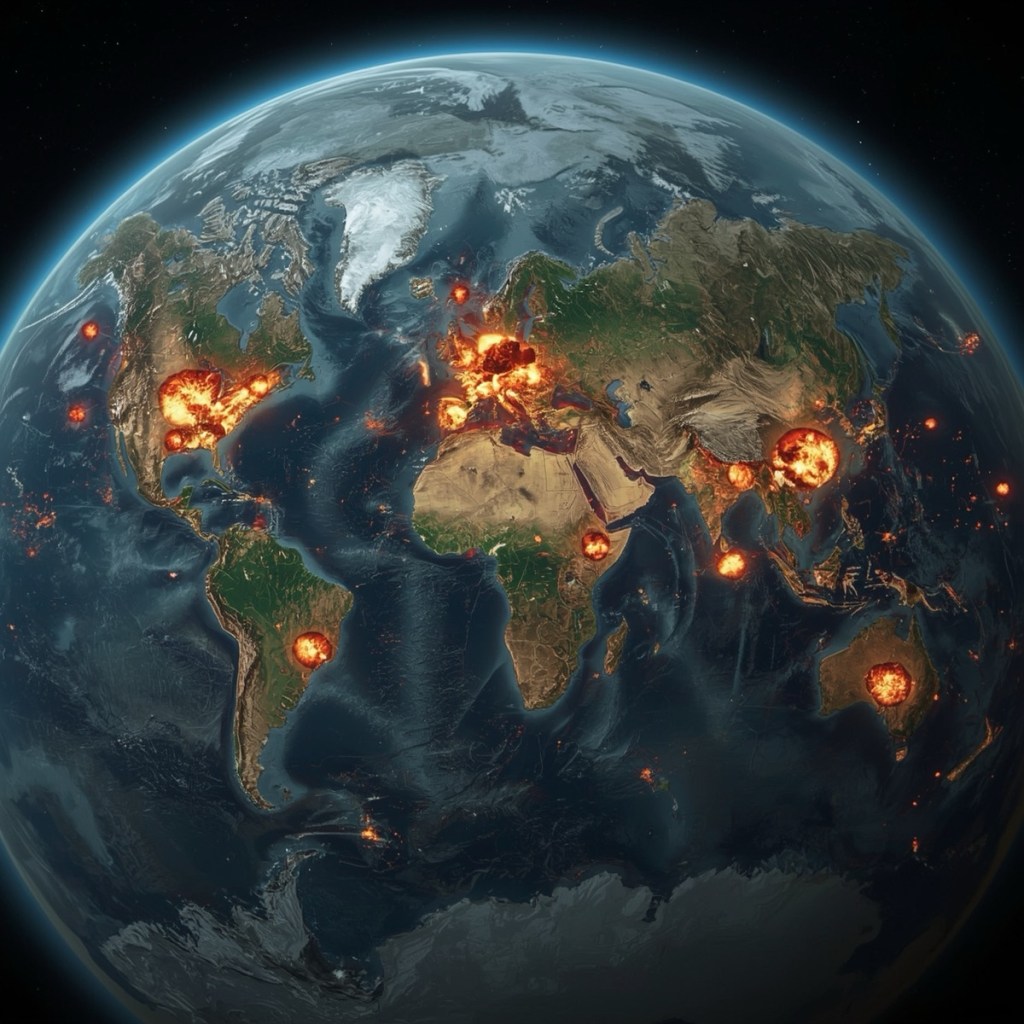
If the world’s governments do not find the courage to restrain this madness—to say no to a war that threatens not just one country but the global commons itself—then the trajectory is grimly clear: cascading crises, collapsing states, famines, and, ultimately, a planet where the thin fabric of civilisation tears beyond repair. The warning could not be starker: if the mad king is not stopped, the world will not simply suffer; it will, in time, perish.
©️2026 Amal Zadok. All rights reserved.